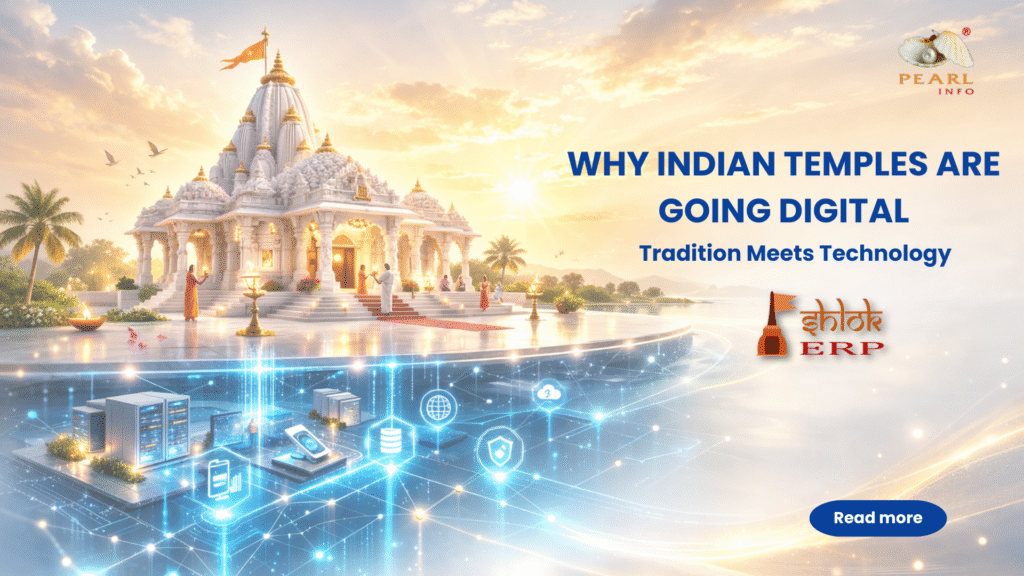
Why Indian Temples Are Going Digital: Tradition Meets Technology
Indian temples have always been at the heart of faith, culture, and community life. Temples like Tirupati Balaji Temple, Somnath Temple, and Kashi Vishwanath Temple are not just places of worship but living institutions that serve millions of devotees every year.
Today, these sacred spaces are gradually embracing technology to meet modern expectations while remaining deeply rooted in spiritual traditions. From online darshan and digital donations to live-streamed aartis and virtual temple experiences, technology is reshaping how devotees connect with temples across India.
This shift is not about changing faith. It is about supporting it in a more accessible and organized way.
Online Darshan Making Devotion More Accessible
For many devotees, visiting temples such as Vaishno Devi Temple or Somnath Temple is a lifelong aspiration. However, age, health, distance, or personal commitments often make physical visits difficult.
Online darshan has helped bridge this gap by allowing devotees to stay spiritually connected from anywhere in the world. Many temples now offer
• Live darshan and aarti streaming
• Virtual temple tours
• Online participation in rituals
This has been especially meaningful for senior citizens and devotees living outside India.
E Donations and Transparent Temple Accounting
Traditionally, temple donations were made in physical form. While this practice continues, many temples have added digital donation options to improve transparency and accountability.
Major temples such as Siddhivinayak Temple and Shirdi Sai Baba Temple now manage a large portion of their donations digitally.
Digital donation systems help temples
• Maintain accurate financial records
• Provide instant acknowledgments to devotees
• Allocate funds efficiently for social and charitable work
Online Booking for Pooja and Seva
High-footfall temples like Meenakshi Amman Temple and Jagannath Temple often experience long queues, especially during festivals.
Online booking for darshan, pooja, and seva has brought structure to temple visits. Advance booking helps
• Reduce overcrowding
• Control daily visitor flow
• Improve planning for temple staff
• Enhance the devotee experience
This has made temple visits more peaceful and organized.
Connecting the Global Hindu Community
Indian temples now serve a global community. Through digital platforms, temples can connect with devotees living across countries and continents.
Live streaming of festivals at temples like Kashi Vishwanath Temple and Tirupati Balaji Temple allows devotees worldwide to participate in important religious moments.
Temples regularly share
• Festival celebrations
• Religious discourses
• Daily rituals and announcements
As a result, temples are no longer limited by geography.
Preserving Temple Heritage Through Digitization
Technology is also helping preserve India’s rich temple heritage. Ancient scriptures, architectural drawings, donation registers, and administrative records are being digitized.
This effort ensures
• Protection of fragile historical material
• Easier access for researchers and scholars
• Long-term preservation of cultural heritage
For temples with centuries of history, this is an essential step.
Smarter Temple Operations and Governance
Behind the scenes, many temple trusts are modernizing operations to improve governance and efficiency. Digital tools are now used to manage administration, security, and devotee services.
These systems support
• Donation and inventory tracking
• Crowd monitoring
• Security management
• Devotee feedback handling
When implemented carefully, technology strengthens administration without affecting spiritual values.
Digital Growth After the Pandemic
The COVID-19 pandemic accelerated digital adoption across Indian temples. When physical visits were restricted, online darshan and live-streamed aartis became the primary way for devotees to stay connected.
Even after restrictions were lifted, many devotees continued using digital services due to convenience and accessibility. This marked a lasting change in how temples engage with devotees.
Benefits of Digital Transformation in Temples
Digital adoption has helped temples
• Improve accessibility for devotees
• Manage crowds more effectively
• Increase transparency in donations
• Connect with a global audience
• Preserve cultural and spiritual heritage
Challenges That Require Balance
Despite its benefits, digital transformation comes with challenges. Data security, digital access in rural areas, and maintaining the sanctity of rituals in virtual formats require careful handling.
A balanced approach is essential to ensure technology supports tradition rather than overshadowing it.
The Future of Digital Temples in India
As India’s digital infrastructure continues to grow, temples may adopt advanced tools such as virtual guides, immersive digital experiences, and integrated platforms for devotee services.
These innovations, when used responsibly, can further strengthen the bond between temples and devotees.
Conclusion
Indian temples are going digital not to replace tradition, but to protect and strengthen it. From sacred sites like Tirupati, Somnath, Kashi, Vaishno Devi, and Jagannath to countless regional temples, technology is helping spiritual institutions serve devotees better while preserving their heritage.
This transformation marks a new chapter in India’s spiritual journey where faith and technology move forward together.